The Hidden Costs of Neglecting Air Duct Cleaning in Apopka Homes
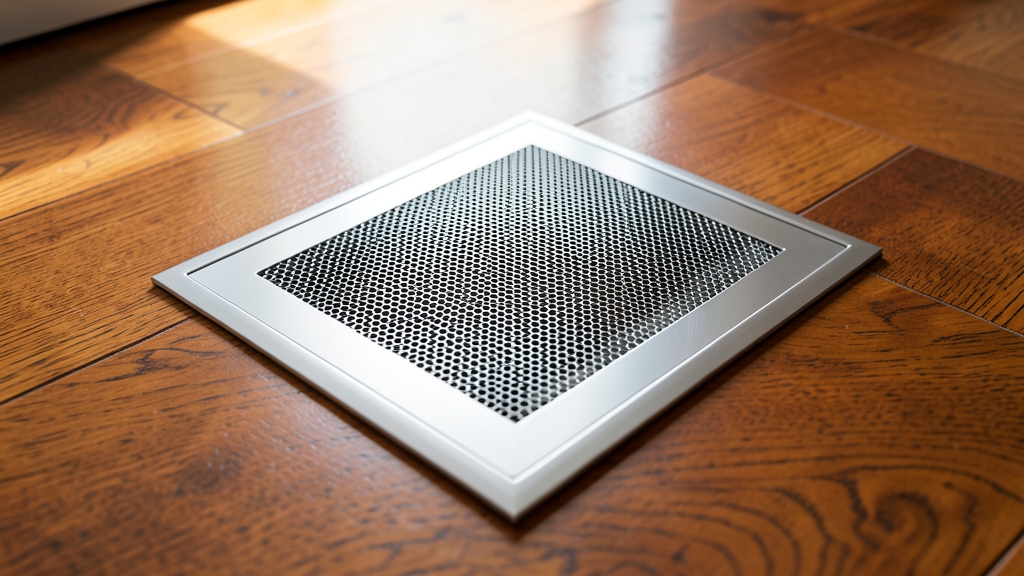
Apopka’s humid climate and seasonal pollen make air ducts a magnet for dust, mold, and debris. Over time, these contaminants don’t just circulate through your home—they silently inflate your energy bills, strain your HVAC system, and even trigger allergies. We’ve seen firsthand how neglected ductwork leads to costly repairs and poor indoor air quality in homes across Ocoee, Zellwood, and Winter Garden too.
Why Apopka’s Climate Accelerates Duct Contamination
Florida’s high humidity and frequent rain create the perfect breeding ground for mold and mildew inside ductwork. Without proper airflow, moisture lingers, and organic growth spreads quickly through fiberglass or flex ducts.
Pollen from Apopka’s oak and pine trees, along with dust from nearby construction in areas like Plymouth, gets pulled into your system. These particles cling to duct walls, reducing efficiency and exacerbating respiratory issues for sensitive individuals.
The Financial Drain of Dirty Air Ducts
A clogged duct system forces your HVAC to work harder, increasing energy consumption by up to 20-30%. In Apopka’s long cooling season, that adds up fast on your monthly bills. Over a year, the extra cost can rival the investment in professional cleaning.
Neglect also shortens the lifespan of critical components. Dust buildup on blower motors and evaporator coils leads to overheating, costly repairs, or even premature system failure. We’ve replaced more than a few coils in Altamonte Springs homes that could’ve been saved with regular maintenance.
Health Risks Lurking in Your Ductwork
Dirty ducts circulate allergens like dust mites, pet dander, and mold spores. For families with asthma or allergies, this can trigger chronic symptoms—sneezing, itchy eyes, or even respiratory infections. Apopka’s pollen-heavy springs make this worse.
In severe cases, mold in ducts releases mycotoxins, which can cause headaches, fatigue, or long-term lung issues. This is why we often recommend indoor air quality testing alongside duct cleaning, especially in older homes.
If you notice a musty smell when your HVAC kicks on, mold may already be growing in your ducts. Don’t wait—this requires professional remediation, not just cleaning.
How Dirty Ducts Damage Your HVAC System
Restricted airflow from debris buildup forces your system to overcompensate. This increases wear on fans, belts, and motors, leading to breakdowns. In Apopka’s heat, a failed AC in July isn’t just uncomfortable—it’s a health risk for vulnerable residents.
Dust and grime on evaporator coils reduce their ability to absorb heat, making your unit less efficient. Even a thin layer of dirt can cut efficiency by 10%. That’s why we pair duct cleaning with coil cleaning for maximum performance.
Duct Cleaning vs. DIY: What You’re Missing
Vacuuming vents or using store-bought sprays only tackles surface dust. True duct cleaning requires specialized tools like high-powered vacuums, brushes, and air whips to dislodge deep-seated debris in the entire system, including trunk lines and branch ducts.
Improper cleaning can also damage ducts or dislodge contaminants without proper containment, spreading them further. We’ve seen DIY attempts in Winter Garden homes that made problems worse, requiring costly remediation.
| Aspect | Professional Cleaning | DIY Methods |
|---|---|---|
| Equipment | High-powered vacuums, brushes, air whips, inspection cameras | Household vacuum, basic tools |
| Reach | Entire duct system, including hidden trunk lines | Surface-level vents only |
| Containment | Sealed system to prevent contaminant spread | Risk of spreading dust and mold |
| Safety | Trained technicians, no damage to ducts | Risk of damaging ducts or HVAC components |
| Mold Treatment | Includes sanitization and UV light options | No effective treatment for mold |
Signs Your Apopka Home Needs Duct Cleaning Now
Visible dust or debris blowing from vents is the most obvious red flag. But other signs are subtler: unexplained allergies that worsen indoors, musty odors when the HVAC runs, or inconsistent airflow from room to room.
Check your air filters frequently. If they clog within a month, your ducts are likely overloaded. In homes near Zellwood’s rural areas, we also see more insect nests and rodent droppings in ducts, which require immediate attention.
When to Call a Pro
- Visible mold growth inside ductwork or on vents
- Unexplained respiratory issues that improve when away from home
- HVAC system is over 10 years old and never been cleaned
- Recent home renovations or construction nearby (e.g., in Ocoee or Plymouth)
- Increased dust accumulation on furniture despite regular cleaning
What to Expect During a Professional Duct Cleaning
We start with a thorough inspection using cameras to assess contamination levels in your ductwork. This helps us tailor the cleaning process, whether it’s a standard service or a deeper remediation for mold or pest infestations.
Next, we use high-efficiency vacuums to create negative pressure, ensuring debris is pulled out—not pushed further into your home. For stubborn buildup, we deploy brushes and air whips. Finally, we sanitize the system and replace filters to restore clean airflow.
For Apopka homes with high humidity, consider UV light installation or mold-resistant treatments. These add-ons prevent future growth and keep your system cleaner longer.
Long-Term Solutions to Keep Ducts Cleaner Longer
Regular HVAC maintenance is key. Replace air filters every 1-3 months, depending on usage and local conditions. In Apopka, we recommend MERV 8-11 filters for most homes—they balance filtration and airflow without overtaxing your system.
Schedule annual duct inspections, especially if you have pets, allergies, or live in dusty areas. Pair this with dryer vent cleaning to prevent lint buildup, which can also affect indoor air quality. Commercial properties in Altamonte Springs often need bi-annual cleanings due to higher occupancy.
How to Check Your Ducts for Contamination
A quick at-home inspection can reveal whether your ducts need professional attention.
- 1Remove and Inspect Vent Covers
Use a screwdriver to remove a few vent covers. Shine a flashlight inside—if you see dust, debris, or mold, it’s time for a cleaning.
- 2Check for Airflow Issues
Hold a tissue near the vents when the HVAC is running. Weak airflow or uneven distribution suggests blockages in the ducts.
- 3Look for Visible Mold
Inspect the inside of your ductwork and around vent areas for black, green, or white spots. Mold often appears as fuzzy or slimy patches.
- 4Smell for Musty Odors
Turn on your HVAC and stand near the vents. A musty or stale smell indicates mold or mildew in the system.
- 5Review Your Energy Bills
Compare your recent energy bills to the same period last year. A spike in costs without increased usage may signal duct inefficiency.
Frequently Asked Questions
How often should Apopka homeowners clean their air ducts?
We recommend professional duct cleaning every 3-5 years for most homes. However, if you have pets, allergies, or live in a high-dust area like near construction in Plymouth, you may need it every 2-3 years. Annual inspections help catch issues early.
Can dirty ducts really make my allergies worse?
Absolutely. Dust mites, pollen, and mold spores thrive in dirty ducts and circulate through your home every time the HVAC runs. Many of our clients in Ocoee and Zellwood report significant relief from allergy symptoms after a thorough cleaning.
What’s the difference between duct cleaning and coil cleaning?
Duct cleaning focuses on removing debris from your ductwork, while coil cleaning targets the evaporator and condenser coils in your HVAC system. Both are critical—dirty coils reduce efficiency, and dirty ducts spread contaminants. We often do both for optimal results.
Is UV light treatment worth it for Apopka homes?
UV light systems help prevent mold and bacteria growth in your ductwork, which is especially useful in Florida’s humid climate. If you’ve had mold issues or want to improve indoor air quality, UV treatment is a smart investment. It’s a common add-on for homes in Winter Garden and Altamonte Springs.
How do I know if my ducts have mold?
Visible mold, musty odors when the HVAC is running, or unexplained respiratory issues are red flags. A professional inspection with a camera can confirm mold growth. If you suspect mold, avoid running your HVAC until it’s treated to prevent spreading spores.
Does duct cleaning help with high energy bills?
Yes. Clogged ducts force your HVAC to work harder, increasing energy consumption. After cleaning, many homeowners see a noticeable drop in their bills, especially during Apopka’s peak cooling months. For exact savings, request a quote and energy audit.