How Humidity in Apopka Damages Your Air Ducts and When to Clean Them
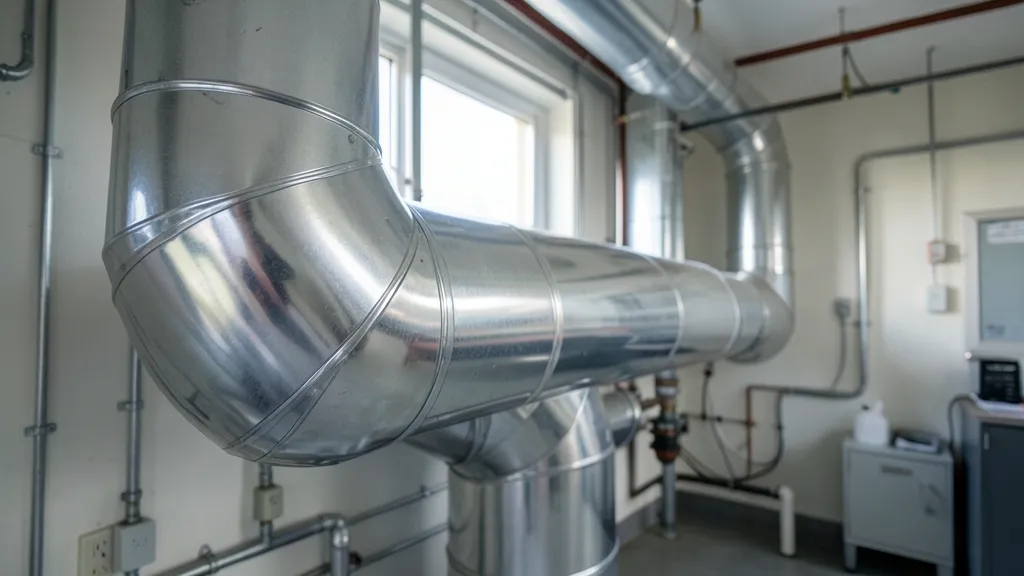
Central Florida’s humidity isn’t just uncomfortable—it turns your ductwork into a breeding ground for mold, mildew, and dust mites. We see it daily in Apopka homes: damp, dirty ducts circulating contaminants that aggravate allergies and strain HVAC systems. Knowing the warning signs and the right cleaning schedule can protect your health and your equipment.
Why Apopka’s Humidity Is a Silent Enemy to Your Ducts
With average humidity hovering above 70% for much of the year, moisture lingers in your duct system. This isn’t just surface dampness—it’s condensation forming on cold evaporator coils and dripping into ductwork, creating ideal conditions for microbial growth.
Unlike drier climates, our seasonal rain and high dew points mean ducts stay damp longer. Even well-insulated systems in neighborhoods like Zellwood or Plymouth can develop hidden mold if airflow is restricted or filters are neglected.
The Hidden Costs of Dirty Ducts in a Humid Climate
Mold and mildew don’t just smell—they degrade duct materials over time. Fiberglass liners can delaminate, while flex duct seams may weaken, leading to costly leaks. These issues are common in older Apopka homes with aging HVAC systems.
Your system works harder to push air through clogged ducts, increasing wear on the blower motor and shortening its lifespan. Energy efficiency drops, and utility bills climb—especially during our long cooling season.
If you detect a musty odor when the AC kicks on, mold may already be growing in your ducts. This requires professional inspection and often UV light treatment or sanitization.
Signs Your Apopka Home Needs Air Duct Cleaning
Visible dust blowing from vents is the most obvious red flag. But in humid areas, watch for less noticeable signs: persistent musty odors, unexplained allergy flare-ups, or uneven cooling between rooms in Winter Garden or Altamonte Springs.
Check your air filters monthly. If they clog faster than usual, it’s a sign your ducts are overloaded with debris. Also, inspect vents for dark streaks—these indicate mold or soot buildup.
When to Call a Pro
- Musty smells when HVAC runs
- Visible mold on vents or ductwork
- Increased dust despite frequent cleaning
- Unexplained respiratory issues indoors
- Pest droppings or insects near vents
How Often Should You Clean Ducts in Central Florida?
The National Air Duct Cleaners Association (NADCA) recommends cleaning every 3–5 years for average homes. But in Apopka’s climate, we often advise every 2–3 years—especially if you have pets, smokers, or residents with allergies or asthma.
Homes near construction zones in Ocoee or older neighborhoods may need more frequent cleaning due to higher dust and debris. After a major renovation or water damage, ducts should be inspected and cleaned immediately.
| Scenario | Recommended Interval | Why It Matters |
|---|---|---|
| Average home, no pets | Every 3–5 years | Standard dust and debris accumulation |
| Pets, allergies, or smokers | Every 2–3 years | Higher contaminant load from fur, dander, or smoke |
| Post-renovation or water damage | Immediately | Construction dust or mold spores can spread quickly |
| High-humidity climate (e.g., Apopka) | Every 2–3 years | Increased risk of mold and mildew growth |
| Commercial properties | Every 1–2 years | Higher occupancy and air volume |
The Professional Duct Cleaning Process: What to Expect
We start with a thorough inspection using cameras to assess contamination levels in your supply and return ducts. This step is critical in humid climates, where mold can hide in hard-to-reach areas like the evaporator coil or plenum.
Next, we use high-powered vacuums and agitation tools to dislodge and remove debris. For stubborn mold, we may apply EPA-approved sanitizers or recommend UV light installation to prevent regrowth. Dryer vent cleaning is often bundled with duct work to improve overall airflow.
For Apopka homes, consider pairing duct cleaning with HVAC coil cleaning and indoor air quality testing. Clean coils improve efficiency, while IAQ testing can reveal hidden pollutants like volatile organic compounds (VOCs).
DIY vs. Professional Cleaning: Why Humidity Changes the Game
DIY duct cleaning kits might remove surface dust, but they lack the power to reach deep into your system or address moisture-related issues. In humid climates, improper cleaning can actually spread mold spores further into your home.
Professionals use HEPA-filtered vacuums and specialized tools to ensure contaminants are safely removed—not just redistributed. We also have the expertise to identify and fix underlying issues, like poor insulation or leaks, that worsen humidity damage.
Preventing Future Problems in Your Apopka Home
Regular HVAC maintenance is your first line of defense. Replace air filters every 1–3 months, and ensure your system is properly sized for your home—oversized units short-cycle, increasing humidity indoors.
Consider upgrading to a dehumidifier or installing a whole-home ventilation system. In areas like Zellwood, where flooding can occur, elevate outdoor HVAC components and ensure proper drainage away from your home’s foundation.
Use high-MERV filters (11–13) to capture smaller particles like mold spores, but avoid MERV 14+ unless your system is designed for it—these can restrict airflow and cause damage.
How to Check Your Ducts for Humidity Damage
A quick visual and sensory inspection can reveal whether your ducts need professional attention.
- 1Inspect Vents and Registers
Remove vent covers and shine a flashlight into the ducts. Look for dust buildup, dark spots (mold), or signs of rust, which indicate moisture.
- 2Sniff Test
Turn on your HVAC and stand near the vents. A musty or stale odor suggests mold or mildew in the ductwork.
- 3Check for Uneven Airflow
Walk through your home and note if some rooms feel stuffier or warmer than others. Restricted airflow can signal clogged ducts.
- 4Examine the Evaporator Coil
Locate your indoor HVAC unit and remove the access panel. If the coil is covered in dust or has a slimy film, it’s likely spreading contaminants through your ducts.
- 5Look for Water Stains
Check ceilings or walls near ducts for water stains or peeling paint. These can indicate condensation leaks or high humidity in the system.
Frequently Asked Questions
Can high humidity in Apopka cause my air ducts to rust?
Yes, especially in older homes with metal ductwork. Condensation from humidity can lead to rust, which weakens the ducts and releases particles into your air. Inspecting for rust is part of our standard duct cleaning service.
How do I know if mold in my ducts is making my family sick?
Symptoms like persistent coughing, sneezing, headaches, or skin irritation that improve when you’re away from home may indicate mold exposure. If you suspect mold, we recommend professional duct inspection and indoor air quality testing.
Does duct cleaning help with allergies in humid climates?
Absolutely. Removing dust mites, mold spores, and other allergens from your ducts can significantly reduce indoor triggers. For best results, combine duct cleaning with regular filter changes and humidity control.
Is UV light treatment worth it for Apopka homes?
UV light systems installed in your HVAC can kill mold, bacteria, and viruses as air passes through. In our humid climate, they’re a smart investment for homes with allergy sufferers or past mold issues.
Do you service areas outside Apopka, like Winter Garden or Altamonte Springs?
Yes, we serve the greater Central Florida area, including Winter Garden, Altamonte Springs, Ocoee, Zellwood, and Plymouth. Our team is familiar with the unique humidity and HVAC challenges in each neighborhood.
How long does a professional duct cleaning take?
A typical residential duct cleaning takes 2–4 hours, depending on the size of your home and the complexity of your system. Larger homes or those with extensive mold may require additional time for treatment and sanitization.