How to Prevent Mold Growth in Your HVAC System in Apopka
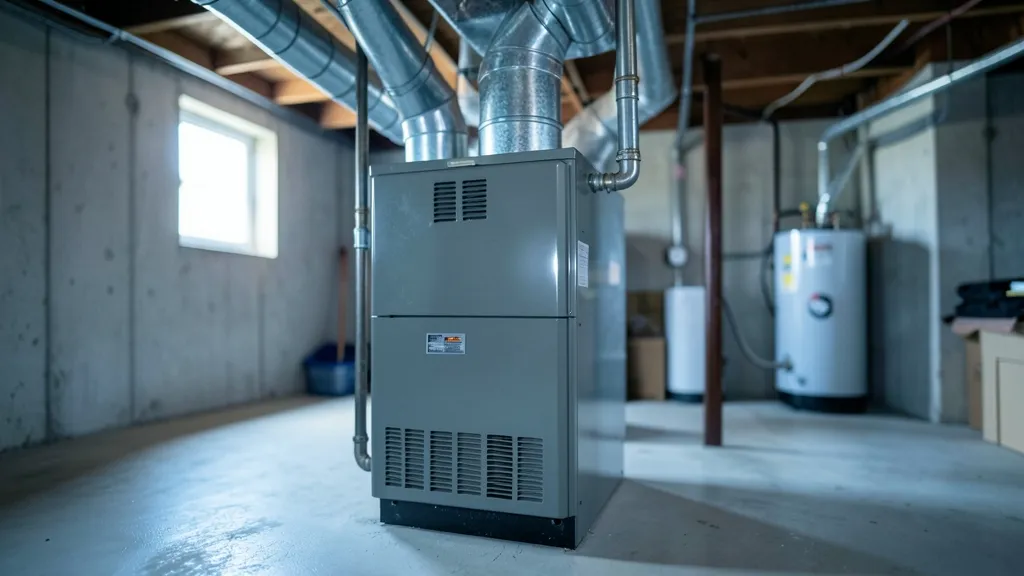
Florida’s humidity is a breeding ground for mold, and your HVAC system is often ground zero. We see it daily in Apopka homes—hidden spores in ductwork, coils, or drain pans quietly degrading air quality. The good news: proactive steps can stop it before it starts.
Why Mold Thrives in Apopka HVAC Systems
Our warm, moist air is the perfect incubator. When your system pulls in humid outdoor air, condensation forms on cool evaporator coils and in ductwork. Add organic dust and debris, and mold spores take root within 24–48 hours.
Poorly maintained systems in older neighborhoods like Zellwood or Plymouth often struggle most. Even newer builds in Winter Garden aren’t immune if airflow or drainage is compromised.
Early Signs of Mold in Your Ducts or HVAC
Musty odors when the AC kicks on are the most common red flag. If the smell lingers after a filter change, the issue is likely deeper in the system.
Visible black or greenish spots around vents, coils, or the drain pan confirm growth. Unexplained allergies or respiratory irritation in your household can also signal hidden contamination.
A clogged condensate drain pan is a top mold culprit. Standing water here feeds spores directly into your airflow. We clear these regularly in Apopka homes.
HVAC Components Most Vulnerable to Mold
Evaporator coils stay damp and collect dust, making them prime real estate for mold. Regular coil cleaning disrupts this cycle before it escalates.
Ductwork, especially flex duct, can trap moisture if not properly sealed. Supply and return vents near bathrooms or kitchens in Ocoee or Altamonte Springs homes are particularly at risk.
Air handlers and blower wheels distribute spores system-wide if contaminated. Even your air filters can harbor mold if left unchanged in humid months.
| Component | Mold Risk Level | Why It’s Vulnerable |
|---|---|---|
| Evaporator Coil | High | Constant moisture + dust accumulation |
| Condensate Drain Pan | Very High | Standing water if clogged |
| Flex Ductwork | Moderate | Poor sealing traps humidity |
| Blower Wheel | Moderate | Moves spores throughout system |
| Air Filters | Low-Moderate | Traps spores but can grow mold if damp |
Prevention: Control Humidity at the Source
Keep indoor humidity below 60%—ideally 40–50%. In Apopka’s summers, this often requires a whole-home dehumidifier working alongside your AC.
Seal ductwork to prevent warm, moist air from entering the system. We often find gaps in attics or crawl spaces during inspections in older homes.
Ensure proper ventilation in high-moisture areas like kitchens and bathrooms. Exhaust fans should vent outside, not into attics or ductwork.
Maintenance That Stops Mold Before It Starts
Replace HVAC filters every 1–3 months, or more often in peak humidity. High-MERV filters (8–12) capture smaller spores but must be changed regularly to avoid airflow restriction.
Schedule annual HVAC coil cleaning and duct inspections. In Florida, biannual checks are wise for systems over 5 years old.
Consider UV light installation near the evaporator coil. These systems neutralize mold and bacteria on surfaces, a popular upgrade we install in Winter Garden and Altamonte Springs.
Mold-Prevention Maintenance Checklist
- Change air filters every 1–3 months
- Inspect and clean condensate drain pan annually
- Seal and insulate ductwork
- Schedule professional coil cleaning yearly
- Check humidity levels with a hygrometer
- Consider UV light or sanitization treatment
When to Call a Professional for Duct Cleaning
If you see mold, smell it persistently, or notice health symptoms, DIY fixes won’t cut it. Mold in ductwork requires professional remediation to avoid spreading spores.
We use HEPA vacuum systems and antimicrobial treatments to thoroughly clean and sanitize ductwork in Apopka, Ocoee, and surrounding areas. This isn’t a weekend project—improper cleaning can worsen contamination.
After professional duct cleaning, ask about mold-resistant coatings or UV sanitization to extend protection. These add-ons are worth the investment in our climate.
Related Services That Improve Indoor Air Quality
Dryer vent cleaning removes lint and moisture buildup that can contribute to indoor humidity. We often bundle this with duct cleaning for homes in Zellwood and Plymouth.
Indoor air quality testing pinpoints mold, pollen, and other contaminants. If you suspect hidden issues, testing provides the data to act.
Commercial duct cleaning follows the same principles but scales up for larger systems. Offices and retail spaces in Altamonte Springs benefit from the same preventive approach.
How to Inspect Your HVAC System for Mold
A quick DIY inspection can reveal early warning signs before they escalate.
- 1Turn Off the System
Safety first. Shut off power to the HVAC unit at the breaker to avoid injury or spreading spores.
- 2Check the Evaporator Coil
Remove the access panel and use a flashlight to look for black, green, or white growth on the coil or drain pan.
- 3Inspect Ductwork and Vents
Look for visible mold or moisture around supply and return vents. Pay extra attention to vents in humid rooms like bathrooms.
- 4Smell Test
Turn the system back on and stand near the vents. A musty odor confirms mold in the system.
- 5Assess the Filter
Pull out the air filter. If it’s damp or shows mold growth, replace it immediately and investigate further.
Frequently Asked Questions
Can I use bleach to clean mold in my HVAC system?
No. Bleach can damage HVAC components and doesn’t kill mold at the root. Professional antimicrobial treatments are safer and more effective for ductwork and coils.
How often should I have my ducts cleaned in Apopka?
Every 3–5 years for most homes, but annually if you have pets, allergies, or notice mold. Florida’s humidity shortens the safe interval compared to drier climates.
Does HVAC mold affect my health?
Yes. Mold spores in ductwork can trigger allergies, asthma, and respiratory infections. Children, the elderly, and those with compromised immune systems are most vulnerable.
Why does my AC smell musty only when it first turns on?
This usually indicates mold or bacteria in the evaporator coil or drain pan. The smell is strongest at startup because accumulated moisture and spores are blown into your home.
Is UV light installation worth it for mold prevention?
For many Apopka homeowners, yes. UV lights near the coil kill mold and bacteria on contact, reducing the need for frequent cleanings. We recommend them for homes with recurring mold issues.
Can poor ductwork design cause mold?
Absolutely. Improperly sized or poorly sealed ducts create dead zones where moisture collects. This is common in older homes in areas like Zellwood, where retrofits may not have been done correctly.