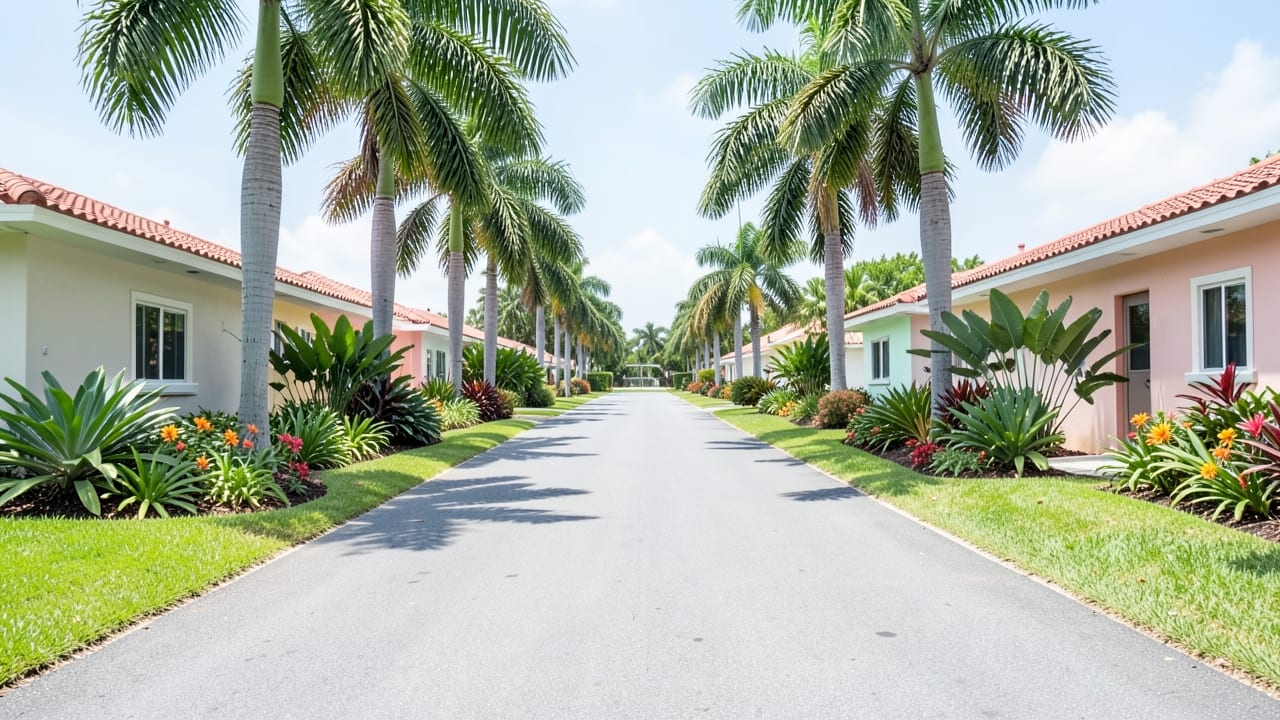
Supply Vent Cleaning in Lake Mary, FL
Supply Vent Cleaning for Lake Mary, FL properties — Lake Mary is a nearby community roughly 12.7 miles east of Apopka..
Supply vent cleaning in Lake Mary, FL ensures unobstructed airflow by removing dust and debris from ductwork. The work involves accessing each register, vacuuming out buildup, and restoring proper circulation. Crews in the area typically service Lake Mary properties on the same schedule as Apopka, located 12.7 miles west, with no added delay. It is handled by local professionals familiar with the community’s homes and ventilation systems. Regular cleaning improves indoor air quality and system efficiency for residents and businesses in Lake Mary.
Why supply vent cleaning matters in Lake Mary
Supply vent cleaning in Lake Mary is vital due to the area’s dense suburban layout, where closely packed homes and heavy HVAC use lead to faster dust and allergen buildup in ductwork. The work involves removing accumulated debris from vents to maintain airflow, as crews in the area typically address pollution from nearby roads and seasonal pollen. It is handled by clearing blockages that can strain systems in tightly built neighborhoods, ensuring efficient cooling in Florida’s humidity.
This service is also available via Supply Vent Cleaning and Lake Mary, FL.
What supply vent cleaning actually involves, step by step
System inspection. A camera or mirror inspection of the supply and return runs identifies where dust, debris, or biological growth is concentrated before any cleaning equipment is deployed, so the crew knows which sections need agitation and which are already reasonably clear.
Register and vent sealing. Supply and return registers not currently being worked on are sealed off, and a negative-pressure collection unit is connected to the system, so dislodged dust is pulled into the collection unit instead of blowing out into the rooms through open vents elsewhere in the house.
Mechanical agitation. A rotary brush or compressed-air whip is run through each duct run to knock built-up dust off the interior walls of the ductwork, since dust that has settled and compacted over years doesn't come loose from suction alone.
HEPA vacuum extraction. The dislodged material is pulled out through the negative-pressure connection into a HEPA-filtered collection system, which keeps the fine particulate captured on-site rather than releasing it back through the return air into the living space.
Register and diffuser cleaning. Each supply and return register, plus the grille and any accessible diffuser, is removed and cleaned separately, since registers accumulate a different kind of buildup — pet hair, surface dust — than what collects deeper in the duct run.
Airflow verification. Once the system is reassembled, airflow at several registers is checked against what it was reading before the cleaning started, confirming the work actually improved circulation rather than just moved dust around inside the same ductwork.
What goes wrong when supply vent cleaning is done badly
Disconnected flex duct during agitation. Aggressive brushing or an air whip run through a flexible duct section can pull a loose connection apart at the joint, and a disconnected section that goes unnoticed after the service leaves conditioned air blowing into a wall cavity or attic instead of a living space.
Dust escaping through open registers. Skipping the sealing step on registers not currently being worked on lets dislodged dust blow straight out into the room instead of being pulled into the collection unit, spreading the exact material the service was meant to remove throughout the house.
Excess moisture or biocide misuse. Applying a biocide or moisture-based treatment inside ductwork without adequate drying afterward can leave a damp environment that promotes new microbial growth inside the duct — solving the immediate dust problem while creating a different one.
What supply vent cleaning costs around Lake Mary
Per-vent duct cleaning around Lake Mary typically falls between $25 and $50 per vent. The range covers a single supply vent or register under the pure per-vent pricing model. Return vents sit higher on the scale, commonly $40-$75 each, since their size means more debris to clear.
This is a typical market range compiled from public pricing data for this type of job, not a quote, an estimate, or an offer from any specific provider — the actual cost for a given job depends on its scope, site conditions, and which company ends up doing the work. Source: Angi, 2026.
How to choose who does the work in Lake Mary
Is the quote a flat whole-house price, a per-vent price, or a per-register price? These three pricing models can produce very different totals for the same house, so the model should be clear before comparing numbers. Does the quote include the main trunk lines and the HVAC unit's coils and blower, or only the individual vents? Some estimates cover only the visible vent openings, leaving the main lines untouched. What method is used — negative-pressure HEPA vacuum with agitation, or a shop-vac at the vent? A shop-vac at the vent removes far less debris than a whole-system negative-pressure method. Is a before-and-after camera inspection provided so the results can be checked? Without visual confirmation, there is no way to verify how much debris was actually removed. Does the estimate include dryer vent cleaning, or is that a separate service? Duct cleaning and dryer vent cleaning are different systems and are sometimes confused inside a bundled quote. What is the plan if mold or pest contamination is found inside the ducts? Contamination sometimes calls for a different remediation step beyond a standard cleaning, which can change the price.
A price that sounds far too low compared to every other quote for the same house size. Unusually cheap duct cleaning sometimes means a shop-vac at the vents rather than a full negative-pressure system clean. No specification of whether the price is flat-rate, per-vent, or per-register. Without knowing the pricing model, there is no way to tell if the number is actually comparable to another bid. No before-and-after inspection offered. Without a camera check, there is no way to confirm how much debris was actually removed. Pressure to add UV-light or sanitizing treatments on the spot, bundled with no separate breakdown. Bundled add-ons proposed during the visit are harder to evaluate than a written, itemized quote. No mention of whether the HVAC coils or blower are included or excluded from the cleaning. Some estimates cover only the visible duct openings, leaving the unit itself untouched.
An assessment typically involves inspecting the vents for visible dirt, mold, or blockages, as well as evaluating airflow strength. Technicians may use cameras or tools to check deeper sections of the ductwork. The scope of work depends on the system’s condition and the home’s specific needs in Apopka, FL.
Call for a quote on supply vent cleaning for a Lake Mary property — pricing works the same as everywhere else in the service area.
See Supply Vent Cleaning in Forest City, FL for more — or find out about everything Apopka homeowners can book with us for our complete service area.
Serving Lake Mary, FL
Ready to get started?
Talk to a local air duct cleaning pro serving Lake Mary, FL — get a written quote.
Other Services We Offer in Lake Mary, FL
Air Duct Cleaning in Lake Mary, FL
Air Duct Cleaning for Lake Mary, FL properties — Lake Mary is a nearby community roughly 12.7 miles east of Apopka..
Learn More
Dryer Vent Cleaning in Lake Mary, FL
Dryer Vent Cleaning for Lake Mary, FL properties — Lake Mary is a nearby community roughly 12.7 miles east of Apopka..
Learn More
HVAC Coil Cleaning in Lake Mary, FL
HVAC Coil Cleaning for Lake Mary, FL properties — Lake Mary is a nearby community roughly 12.7 miles east of Apopka..
Learn MoreMold & Mildew Duct Treatment in Lake Mary, FL
Mold & Mildew Duct Treatment for Lake Mary, FL properties — Lake Mary is a nearby community roughly 12.7 miles east of Apopka..
Learn MoreIndoor Air Quality Testing in Lake Mary, FL
Indoor Air Quality Testing for Lake Mary, FL properties — Lake Mary is a nearby community roughly 12.7 miles east of Apopka..
Learn MoreCommercial Duct Cleaning in Lake Mary, FL
Commercial Duct Cleaning for Lake Mary, FL properties — Lake Mary is a nearby community roughly 12.7 miles east of Apopka..
Learn MoreThe same service is also covered in Forest City, FL , on the same terms.
Common Questions About Air Duct Cleaning in Lake Mary, FL
Everything you need to know about air duct cleaning services in Lake Mary, FL
How much does Supply Vent Cleaning typically cost in Lake Mary, FL?
Can humidity in Lake Mary, FL lead to mold growing inside the ductwork itself?
Does duct cleaning include the coils and blower compartment, or only the ducts themselves?
What's the real difference between flat-rate and per-vent air duct pricing?
How often should air ducts actually be cleaned?
Need Air Duct Cleaning in Lake Mary, FL?
Get a written quote from our Lake Mary, FL crew.
⏰ We answer your call • Serving all of Lake Mary, FL and surrounding areas